
Royal Childhood – the 2014 summer exhibition at Buckingham Palace
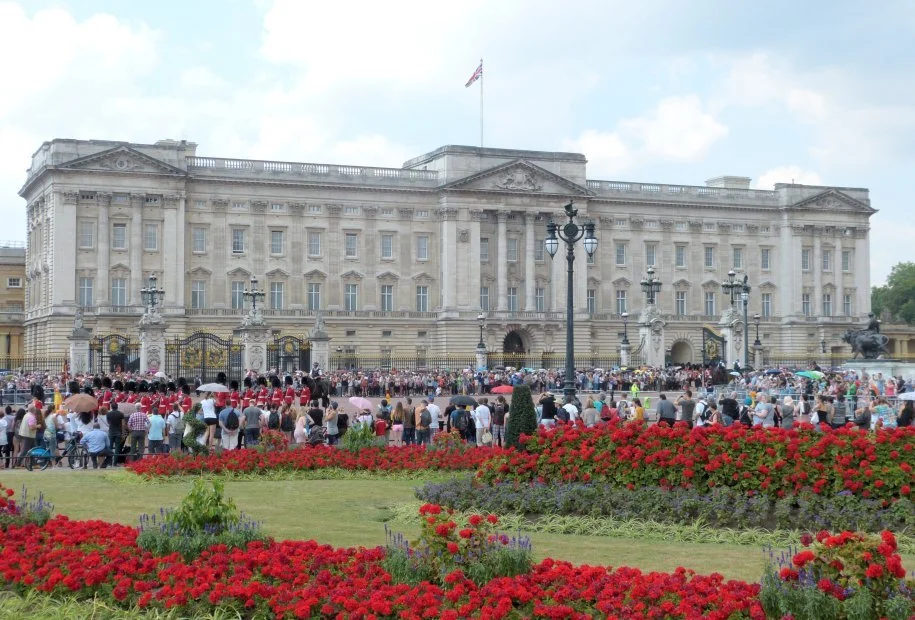
Buckingham Palace at the changing of the guard (25 July 2014)
The Royal Childhood exhibition (2014)
Royal Childhood features toys, workbooks and children’s clothes belonging to members of the royal family, from George IV and his siblings to Prince George of Cambridge. The items were arranged by theme, rather than by date, so objects from 200 years ago were alongside very recent things.
I confess I have a preference for chronological presentation—I like to see the way things progress from period to period - but the themes worked well and it was interesting to see whether I could pick out the really old things before I read the placards.
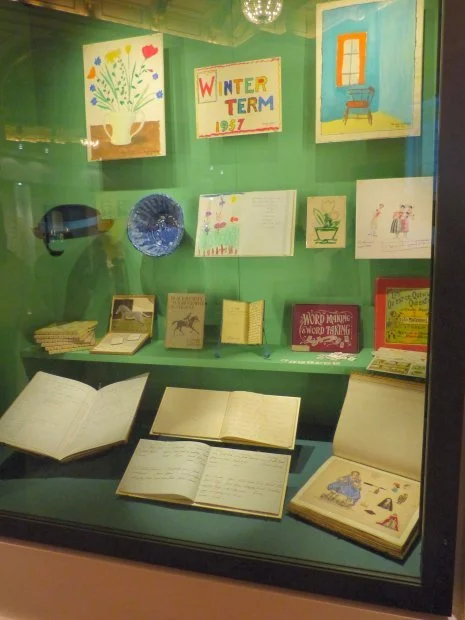
Learning in the Royal Childhood Exhibition 2014 at Buckingham Palace
Learning
One of the oldest items on display was in the learning section—an exercise book used by George, Prince of Wales, later George IV, for handwriting practice. The book was dated 1767 suggesting that he was only five years old at the time. I think the writing is very impressive for a five year old!

George IV's handwriting practice book (1767)
Playing
I was disappointed that the only toys in the exhibition which had been used by George IV or his siblings were two silver rattles. I had hoped to see something that the young Princes and Princesses had played with as children, but I am guessing that very little has survived. After all, there were fifteen children and things do not tend to last if they get passed down from child to child as I am well aware (and I only had four!).
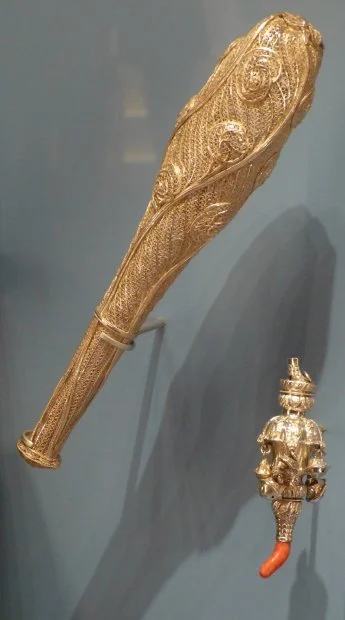
Left: George IV's rattle (1762)
Right: Prince Adolphus, Duke of Cambridge's rattle (1774)
The silver filigree rattle (left) was given to the future George IV by Lady Charlotte Finch, the children’s governess, soon after his birth in 1762. The term filigree refers to the fine detailed decorative silver work on the rattle. Apparently this rattle was also used by Queen Victoria’s children, so it must be quite robust to have survived.
The second rattle (right) was made of silver and coral and was used by Prince Adolphus, Duke of Cambridge, one of George IV’s younger brothers, in 1774.
Victorian memorabilia
In contrast, there were lots of Victorian items on display. One of my favourites was the young Princess Victoria’s behaviour book—a day by day list of whether the young Princess had behaved well in her lessons. Although there were lots of ‘goods’, there was also a ‘very, very naughty’ in the entry for the afternoon of 18 November 1831!
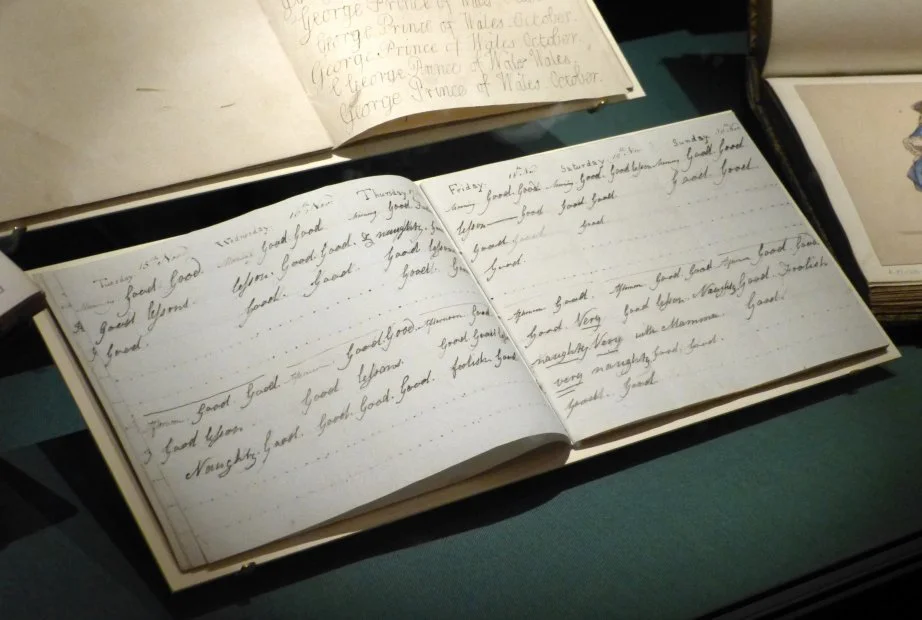
Queen Victoria's behaviour book
There was also a beautiful dress from about 1830 which had been worn by Princess Victoria as a girl and three wooden dolls which she had played with.
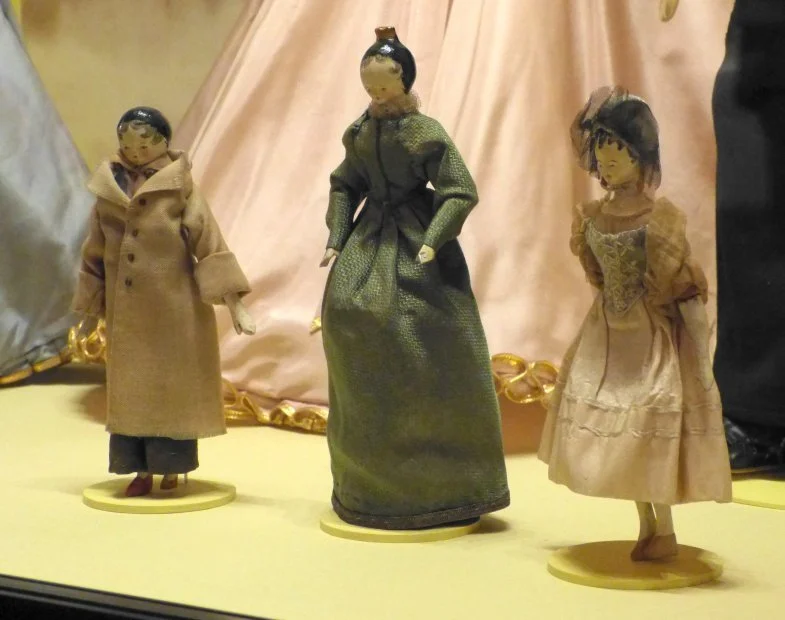
Queen Victoria's home-made wooden dolls
I did not much like the marble replica of Queen Victoria’s son Albert’s arm—I found it rather creepy! Apparently Victoria had 14 carvings of arms, legs and feet of her children made by taking plaster casts while the child was sleeping before being sculpted in marble by the artist.
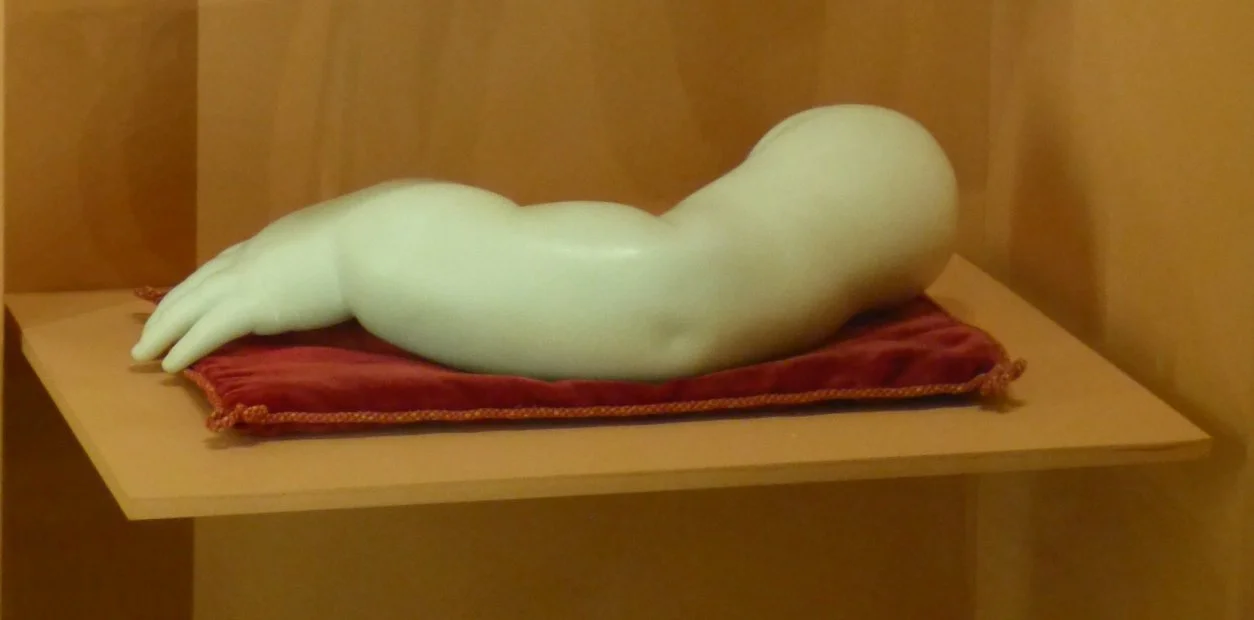
Marble carving of Prince Alfred's arm (c1845)
The selection of locks of Princess Victoria’s hair was quite charming, but I did not care for her collection of her children’s first teeth!
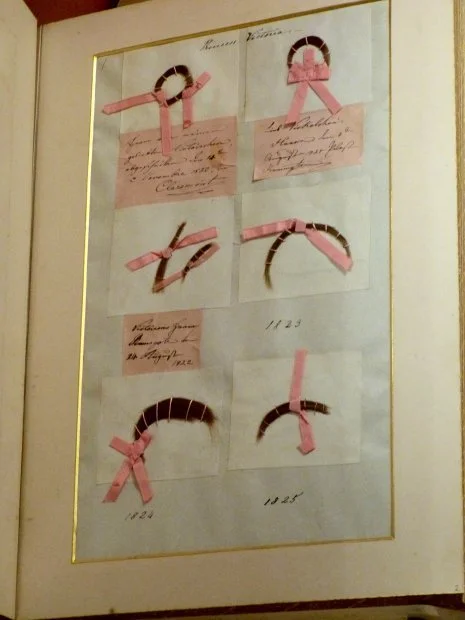
Locks of Queen Victoria's hair (1820–5)
My favourite was the miniature barouche which Queen Victoria’s children played with, which used to be pulled along by a donkey.
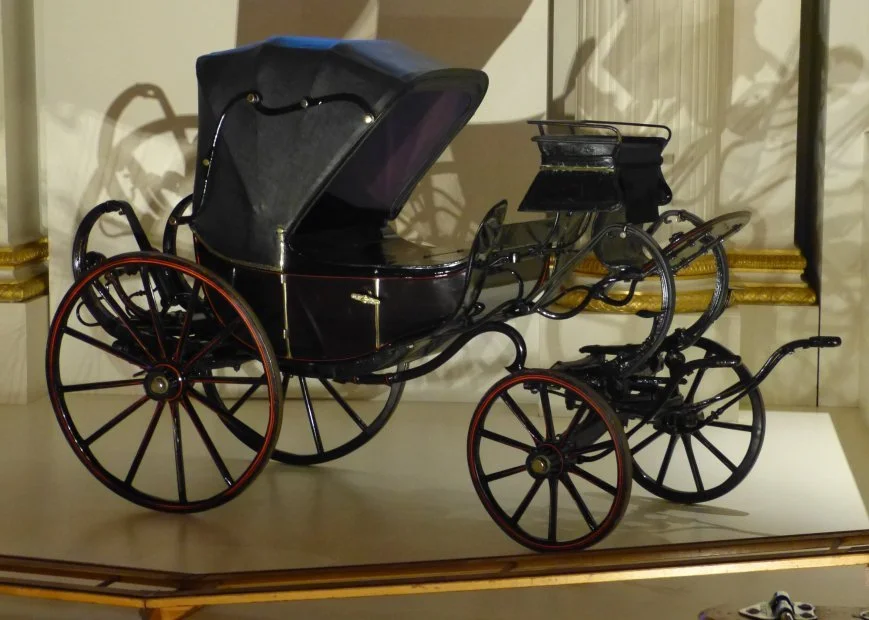
Miniature barouche used by Queen Victoria's children
Queen Elizabeth II’s family
The exhibition included some footage of Queen Elizabeth II and her sister, Princess Margaret, as girls and also of the Queen’s children playing with Prince Philip featuring several of the toys on display. Of the recent items, two stood out for me: a wonderful soldier dressing gown that belonged to the three-year-old Prince Harry and a miniature replica of James Bond’s car that was given to Prince Andrew in 1966, complete with revolving number plates, toy machine guns behind the side-lights and a working smoke screen.
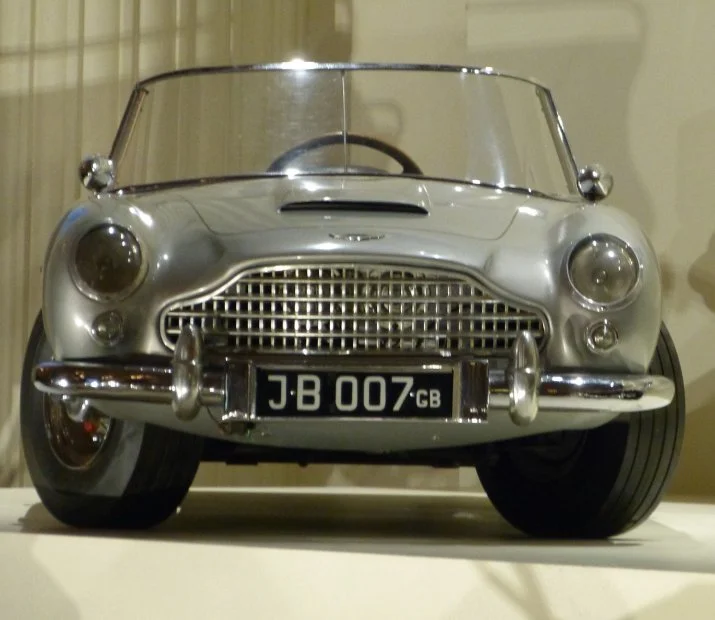
Miniature replica of James Bond's car (1966)
A worthwhile visit
I thoroughly enjoyed the treat of going round the state rooms of Buckingham Palace with only a handful of people instead of hundreds of other visitors. Although the Royal Childhood exhibition did not fulfil my craving for information about the Georgian royals, it was a well-presented display and I found the film clips showing the toys in use particularly engaging.
The palace was also geared up for children with a new family multimedia guide instead of the regular audio guide to the state rooms and a new family pavilion in the gardens with children’s activities.
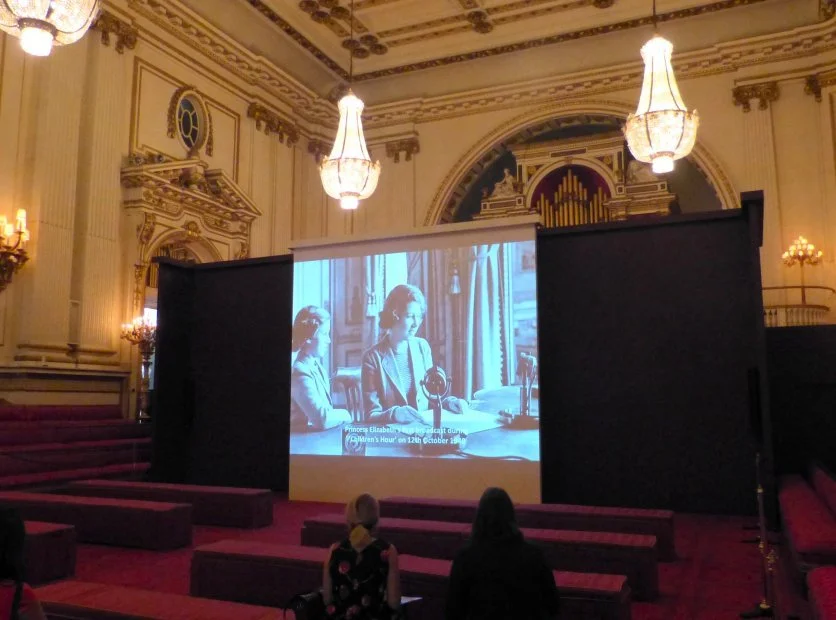
Footage about Queen Elizabeth II as a child being shown in the Ballroom
Around the palace
There was more about the childhood of the Georgian royals apart from the exhibition. There were various portraits around the palace depicting George IV and his siblings as children. In particular, there was a charming portrait of Princesses Mary, Sophia and Amelia in the Green Drawing Room, with Mary waving her tambourine and dogs joining in the game. There was also a ‘baby house’ or doll’s house played with by the Princesses in the 1780s on display.
Buckingham Palace as a whole has so much to offer the Georgian enthusiast. The original house was bought by George III for Queen Charlotte and much of the palace was designed by John Nash under commission from George IV. I did not count how many portraits of George IV were on display, but there seemed to be more of him than of anyone else!
Rachel Knowles writes faith-based Regency romance and historical non-fiction. She has been sharing her research on this blog since 2011. Rachel lives in the beautiful Georgian seaside town of Weymouth, Dorset, on the south coast of England, with her husband, Andrew, who co-writes this blog.
If you have enjoyed this blog and want to encourage us and help us to keep making our research freely available, please buy us a virtual cup of coffee by clicking the button below.
All photographs © Andrew Knowles and RegencyHistory.net