
Regency History's guide to Polesden Lacey
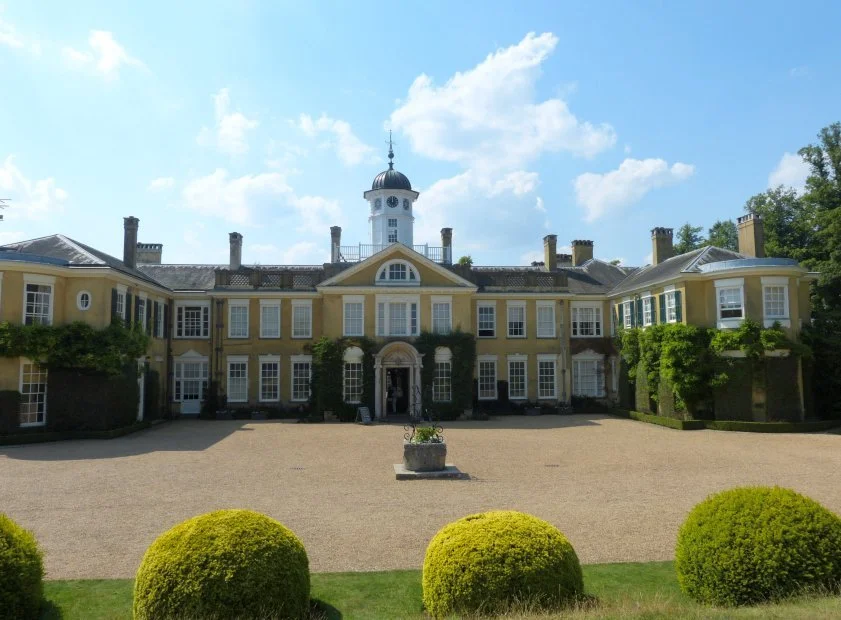
Polesden Lacey (2014)
Where is Polesden Lacey?
Polesden Lacey is a stately home in Great Bookham in Surrey owned by the National Trust.
The history of Polesden Lacey
There has been a house at Polesden Lacey since the 14th century. Anthony Rous, a Parliamentarian officer in the Civil War, bought the property in 1630 and constructed a new building on the site. It was sold to the politician Arthur Moore in 1723 and remained in the Moore family until the 1740s.
Admiral Sir Francis Geary, 1st Baronet (1709-1796)
Admiral Sir Francis Geary bought the Polesden Lacey estate in 1746.

Sir Francis Geary - print by HR Cook (1807) © British Museum
Sir Francis was a naval officer who rose to the rank of Admiral in 1775 and was made 1st Baronet in 1782. He was friends with Sir Edward Hawke and Admiral Boscawen of nearby Hatchlands Park.
In 1780 he retired to Polesden Lacey due to ill health.
The creation of the Long Walk, an outstanding terrace with views over the valley, is generally credited to Sir Francis, but possibly he repaired and extended what was already there.
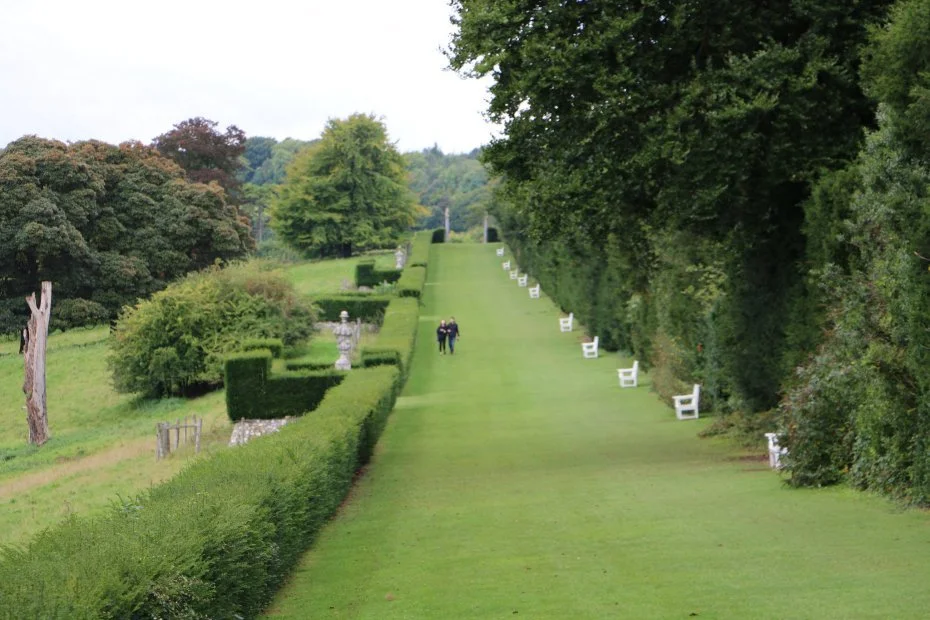
The Long Walk, Polesden Lacey (2017)
Richard Brinsley Sheridan (1797-1816)
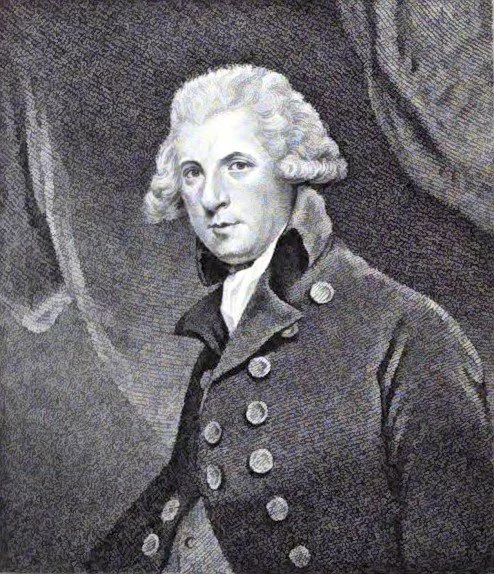
Richard Brinsley Sheridan from The Historical and Posthumous Memoirs of Sir Nathaniel Wraxall (1884)
The house was inherited by Sir Francis’s son, Sir William Geary, who leased the property to Richard Brinsley Sheridan.
Sheridan was a successful playwright, Whig MP and owner of the Theatre Royal, Drury Lane. Sheridan’s trustees, Lord Grey and Mr Whitbread, bought the lease for Polesden Lacey for £12,384 in 1797 using his second wife’s dowry of £8,000 and money raised from the sale of shares in the Drury Lane Theatre. 1, 2
Sheridan loved Polesden Lacey and described it as “the nicest place, within a prudent distance of town, in England.” 3 He relished his role of country landlord and entertained lavishly, often to the detriment of his creditors and the management of the theatre.
During their period of ownership, the Sheridans extended the Long Walk from 900 feet to 1,300 feet and started to landscape the gardens.
Around 1814, Sheridan began to demolish the house with a view to rebuilding, but ill health and strained finances forced him to abandon his plans and he died in 1816.
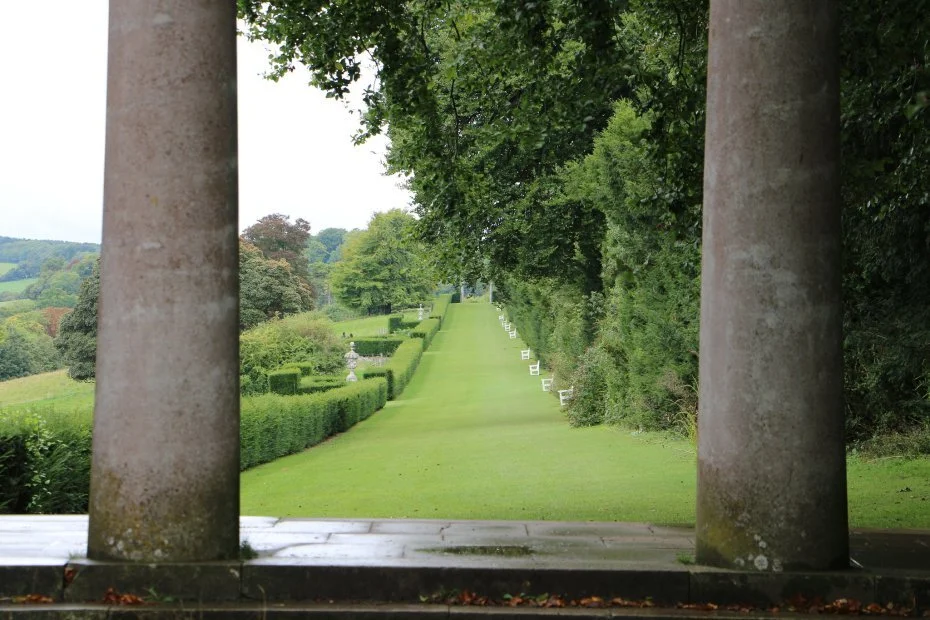
The Long Walk, Polesden Lacey (2017)
Joseph Bonsor (1768-1835)
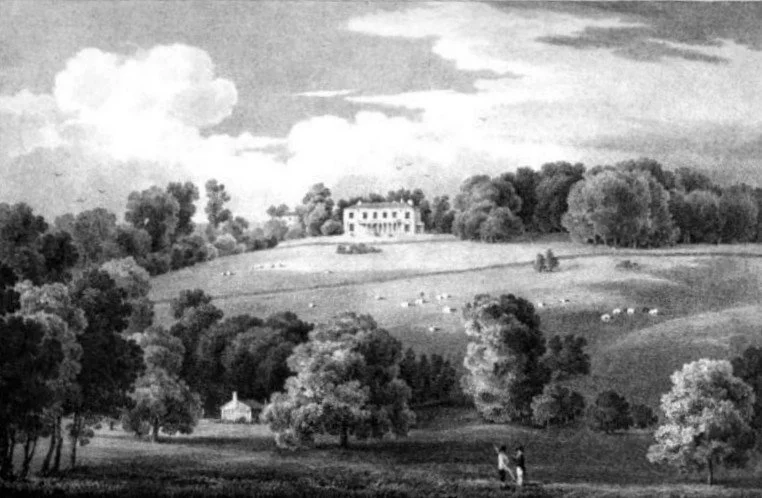
Polesden from Select Illustrations of the County of Surrey by GF Prosser (1828)
Joseph Bonsor bought Polesden Lacey from Sheridan’s son in 1818. Bonsor was a bookseller and stationer who won the contract to supply the paper on which The Times was printed on for a number of years.
He began trading as a wholesale stationer in 1796 and rose to the top of his trade.
As The Gentleman’s Magazine stated in his obituary:
This gentleman was the founder of his own fortune. 4
Bonsor commissioned Thomas Cubitt to rebuild the house in the Neoclassical style. On the south front of the house, part of Cubitt’s villa is still visible: six bay windows with an Ionic portico.
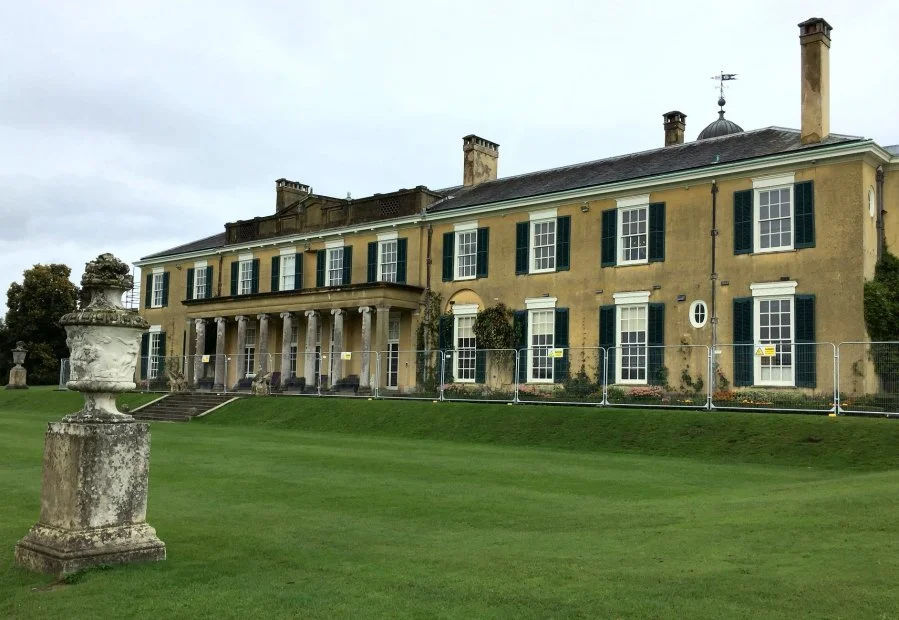
The south front of Poledsen Lacey (2017)
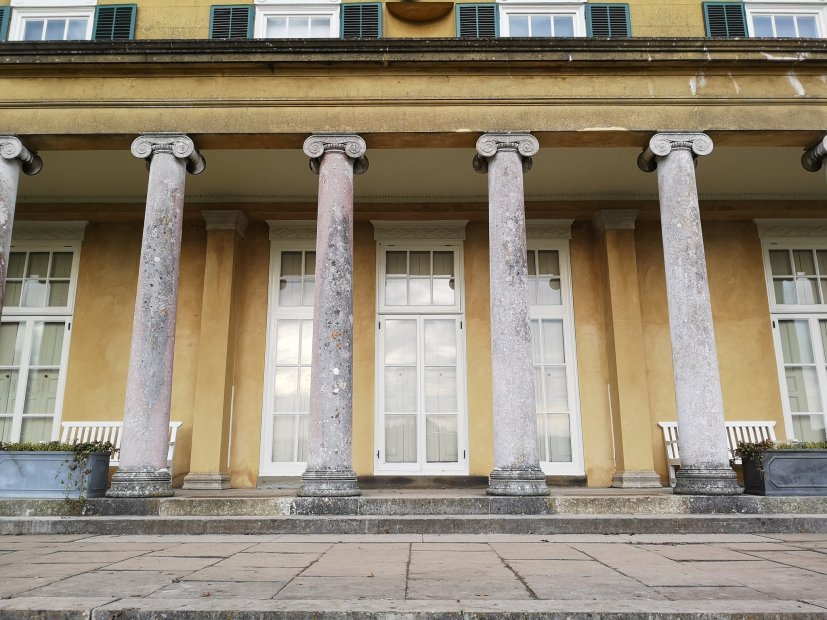
Ionic portico on the south front of Poledsen Lacey (2019)
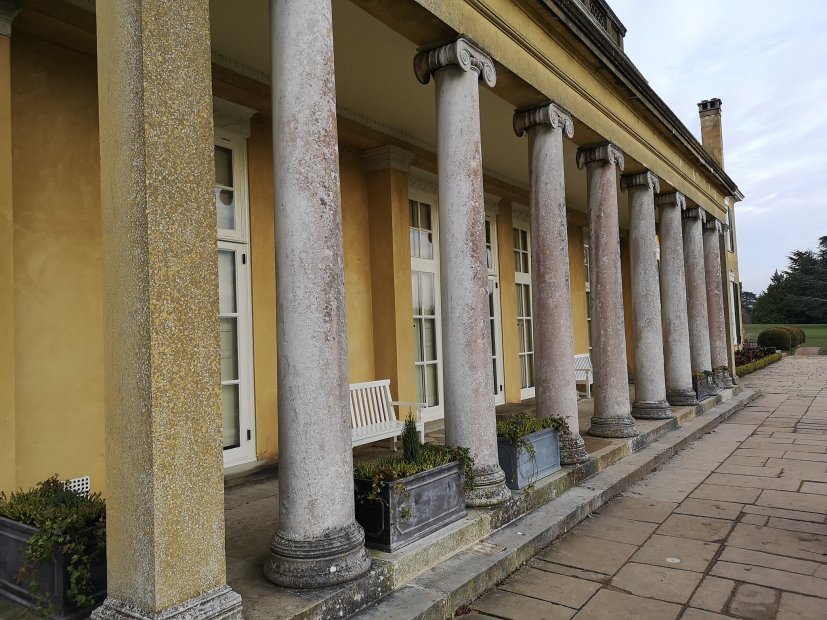
Ionic portico on the south front of Poledsen Lacey (2019)
The estate was sold to Sir Walter Farquhar, Baronet, grandson of the Prince of Wales’s physician, in 1853, and then to Sir Clinton Dawkins, banker and Egyptologist, in 1902. Dawkins commissioned Ambrose Poynter to extend the house.
The Edwardian era
Polesden Lacey was bought by Mr and Mrs Ronald Greville in 1906 and transformed into a glittering Edwardian showpiece. Mrs Greville was the natural daughter of William McEwan, an extremely wealthy brewer, and became a successful society hostess. She was famous for entertaining the rich and the royal including Edward VII, Queen Mary and Queen Elizabeth the Queen Mother who spent part of her honeymoon at Polesden Lacey in 1923.
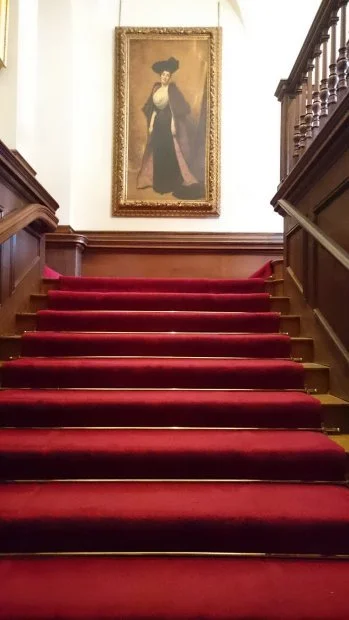
Staircase, Polesden Lacey (2017)
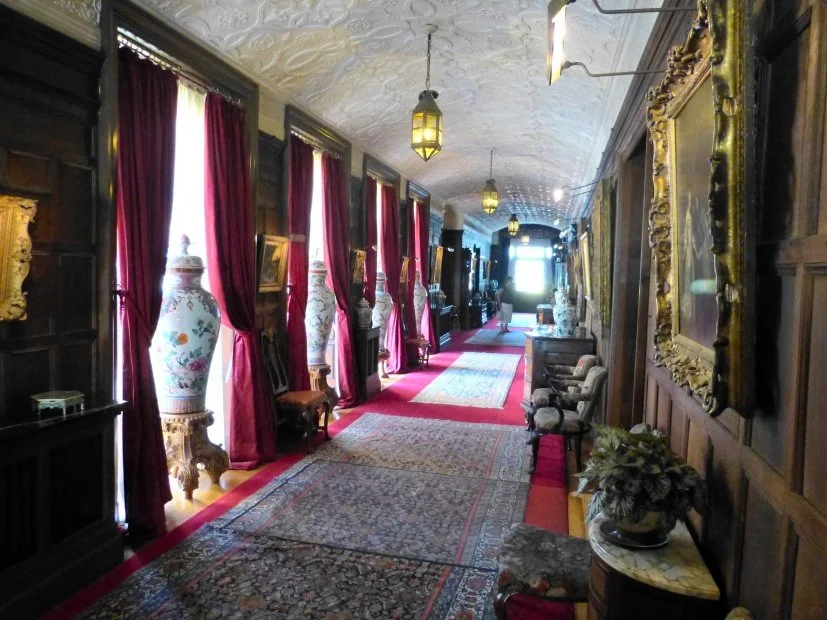
The Picture Corridor, Polesden Lacey (2014)
Mrs Greville's Saloon was the dazzling centrepiece of her home. It was a room designed to entertain royalty and the lavish interior decorations came from an early 18th century Italian palazzo.
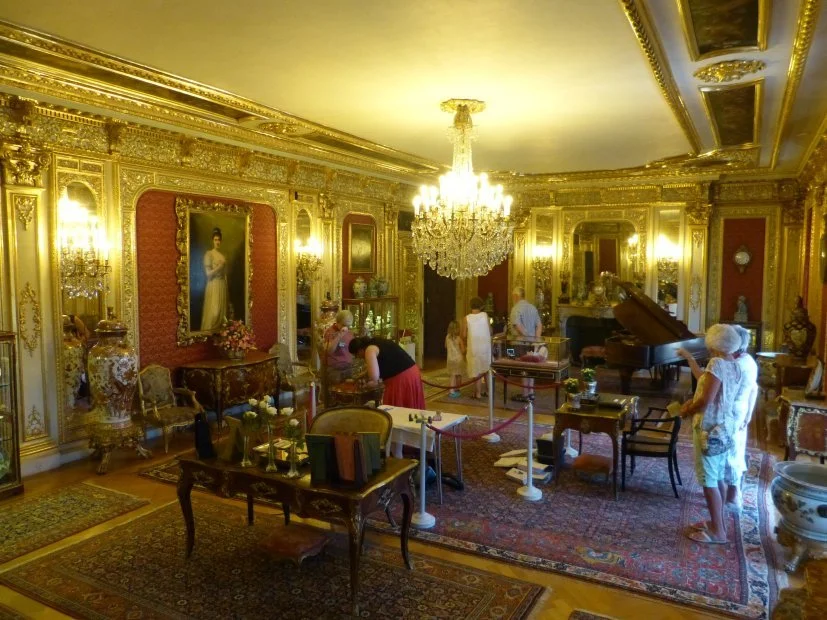
The Saloon, Polesden Lacey (2017)
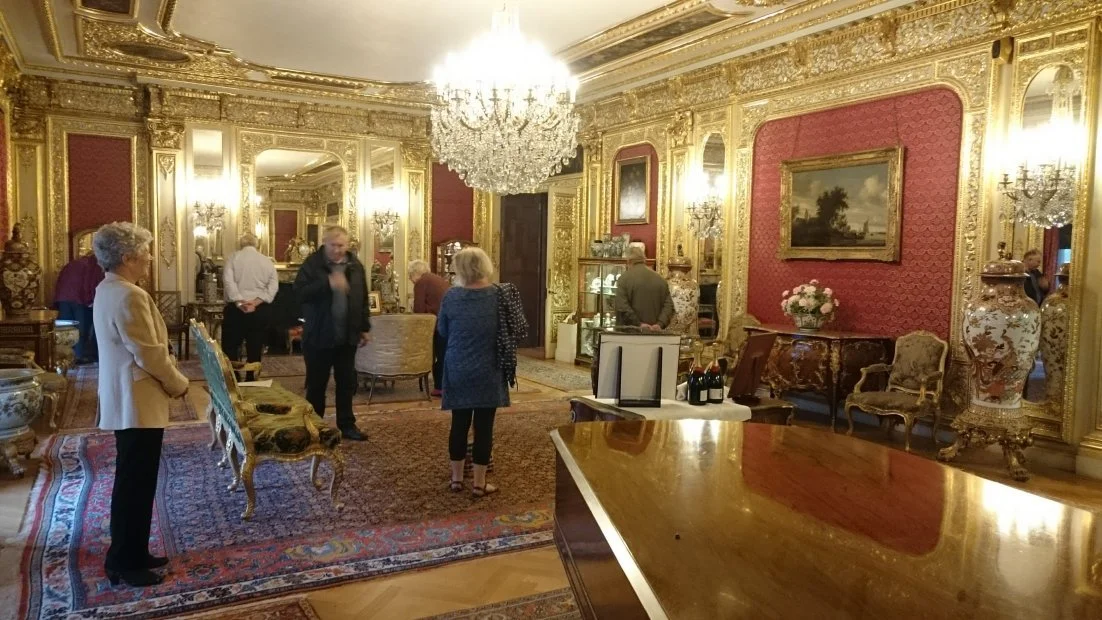
The Saloon, Polesden Lacey (2017)
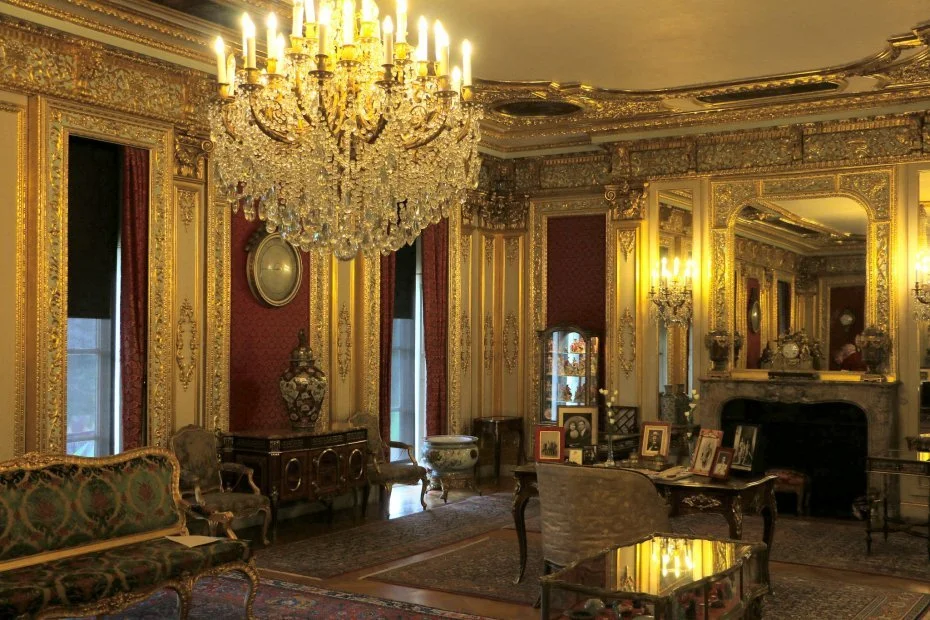
The Saloon, Polesden Lacey (2017)
Mrs Greville’s collections include paintings by Sir Henry Raeburn and Sir Thomas Lawrence.
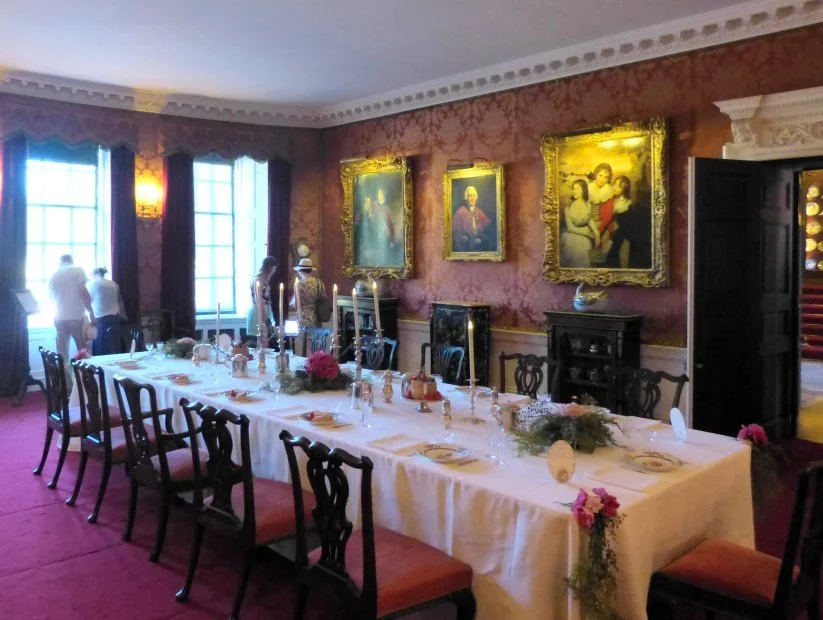
The Dining Room, Polesden Lacey (2014)
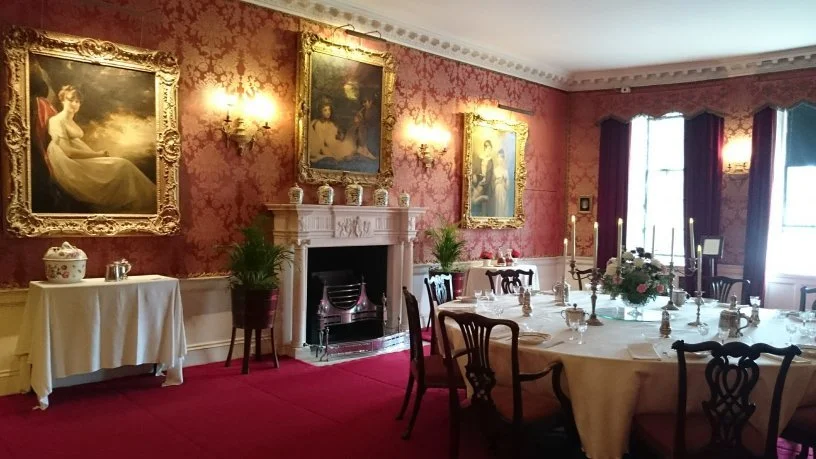
The Dining Room, Polesden Lacey (2017)
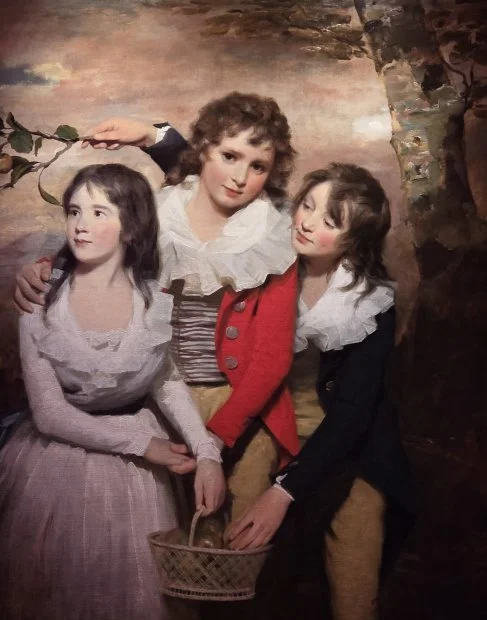
The Patterson children by H Raeburn, on display in the Dining Room (Photo 2025)
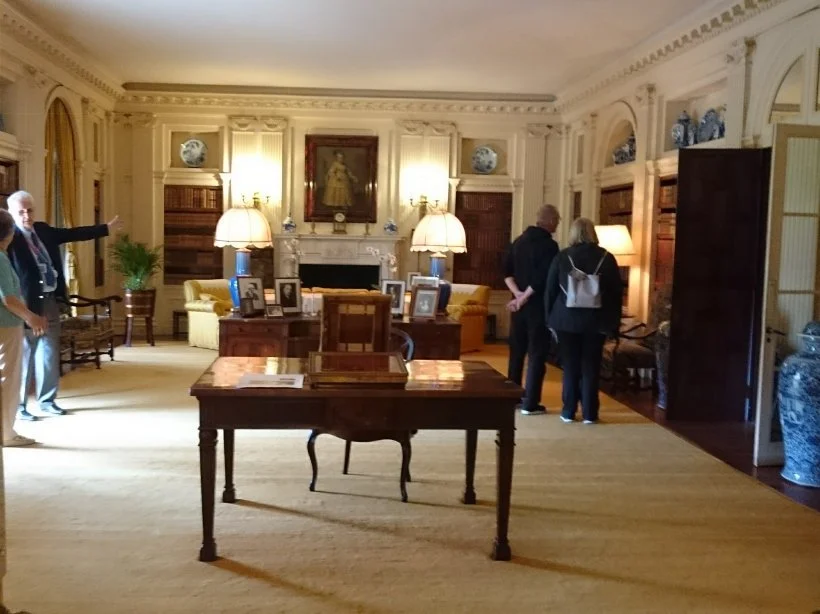
The Library, Polesden Lacey (2017)
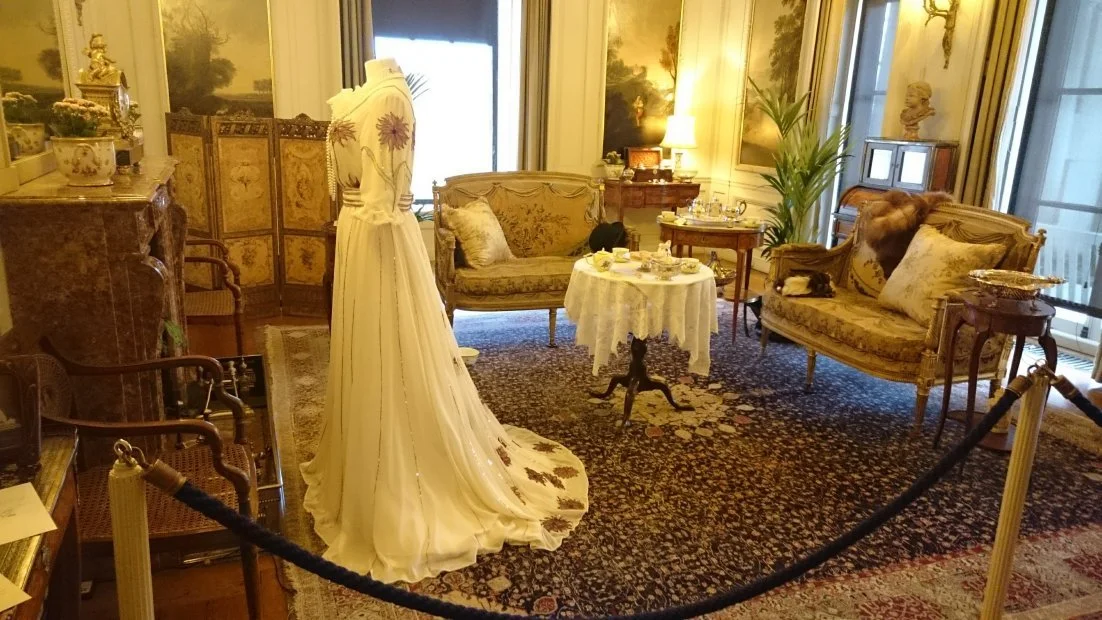
Mrs Greville's Tea Room, Polesden Lacey (2017)
Mrs Greville bequeathed the estate to the National Trust in 1942 in memory of her father.
Rachel Knowles writes faith-based Regency romance and historical non-fiction. She has been sharing her research on this blog since 2011. Rachel lives in the beautiful Georgian seaside town of Weymouth, Dorset, on the south coast of England, with her husband, Andrew, who co-writes this blog.
If you have enjoyed this blog and want to encourage us and help us to keep making our research freely available, please buy us a virtual cup of coffee by clicking the button below.
Notes
Rowell stated the purchase price was £12,384. Thomas Moore suggested a higher price of £20,000 and that the difference was raised by selling shares in the Drury Lane Theatre.
Rowell says that the transaction was not completed until 1804.
Quoted in Rowell’s guidebook.
The Gentleman’s Magazine, the obituary of Joseph Bonsor, Esq, of Polseden, Surrey, on Nov 13 1835.
Sources used include:
Moore, Thomas, Memoirs of the Life of the Right Honourable Richard Brinsley Sheridan (1825)
Prosser, George Frederick, Select Illustrations of the County of Surrey (1828)
Rowell, Christopher, Polesden Lacey, National Trust Guide (1999)
Sichel, Walter, Sheridan (1909)
All photographs © Andrew Knowles and RegencyHistory.
Last visited December 2025 and last updated 19/4/26