
Waterloo at Windsor 1815-2015 exhibition
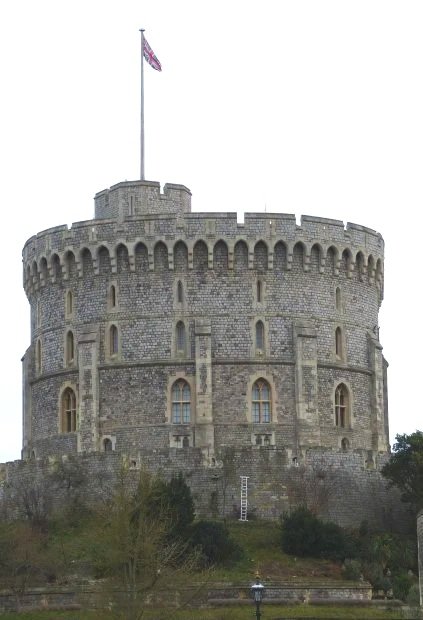
Windsor Castle (2015)
The Waterloo at Windsor 1815-2015 exhibition celebrated the 200th anniversary of the Battle of Waterloo which took place on 18 June 1815. This battle marked the defeat of Napoleon and ushered in an era of peace between Britain and France.
The main part of the exhibition was in the Drawings Gallery with other items spread throughout the State Apartments. The exhibition closed on 6 January 2016.
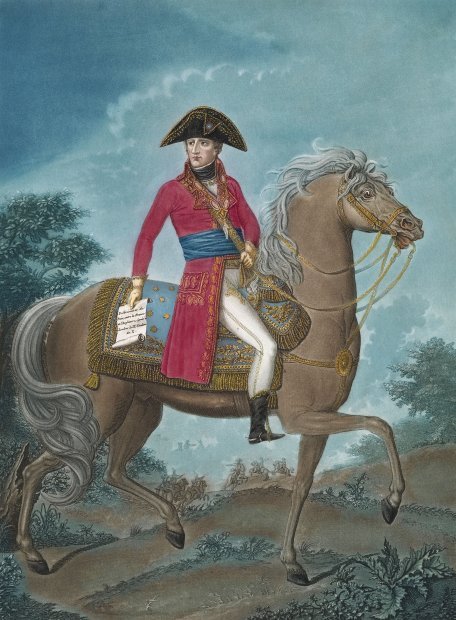
Napoleon Bonaparte, after Nanine Vallain (1802) Royal Collection Trust © Her Majesty Queen Elizabeth II 2014
The Drawings Gallery
The Drawings Gallery is at the top of the stairs leading to the State Apartments. Don’t miss it! First time round, we walked straight past it into the State Apartments on the right and had to go back to find out where it was.
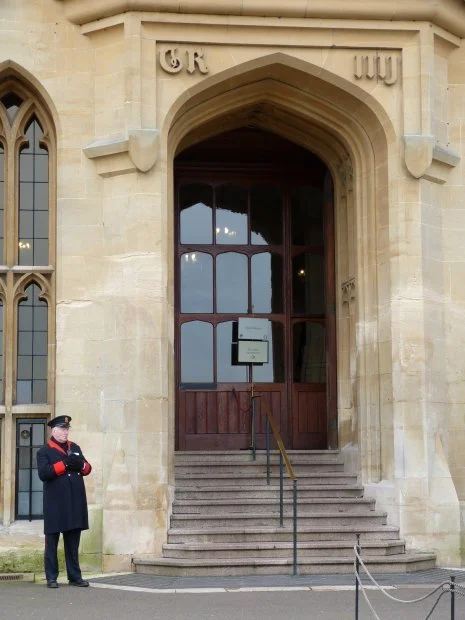
Entrance to State Apartments, Windsor Castle (2015)
The Drawings Gallery contained a display of pictures and prints about Waterloo from the Royal Collection, most of which were collected by George IV who was fanatical about the Battle of Waterloo. These included contemporary satirical prints and drawings of the battlefield as well as pictures of the military leaders from both sides.
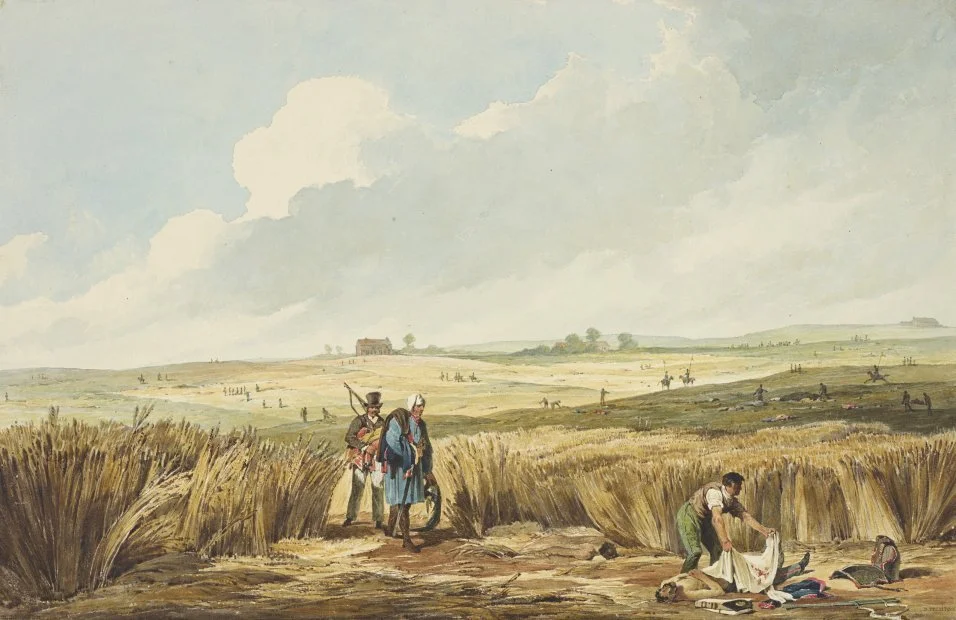
Distant View of La Belle Alliance, Field of Waterloo (1815) by Denis Dighton Royal Collection Trust © Her Majesty Queen Elizabeth II 2014

Napoleon's letter of surrender sent to George, Prince Regent, 13 July 1815
Royal Archives © Her Majesty Queen Elizabeth II 2014
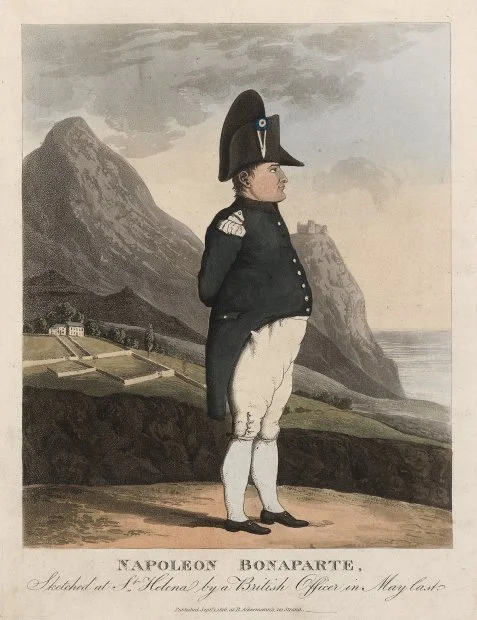
Napoleon Bonaparte, published by Rudolph Ackermann (1816) Royal Collection Trust © Her Majesty Queen Elizabeth II 2014
Napoleon’s carriage on display at Bullock’s Museum
Rachel was especially interested in a Rowlandson print of Bullock’s Museum from 1816. After the Battle of Waterloo, Napoleon’s carriage was captured by the allied army. The British government sold the carriage to William Bullock who put it on display in his museum in London in 1816.
The print depicts a huge crowd of people climbing all over Napoleon’s carriage which proved to be a very popular exhibit. What I cannot figure out is why he was allowed to buy the carriage in the first place. Given George IV’s obsession with Waterloo, I thought he would have bought it for his collection. I guess that he could not afford it!

Exhibition at Bullocks Museum of Bonepartes Carriage taken at Waterloo by Thomas Rowlandson, published by Ackermann (1816) © The Trustees of the British Museum
The Waterloo Elm
Another picture on display was this drawing by Anna Children—The Waterloo Elm (1818). This depicts the tree under which the Duke of Wellington sat on the battlefield of Waterloo. After the battle, it became a popular haunt of tourists who took bits of tree home with them as souvenirs. The owner of the land grew tired of having his crops ruined and decided to cut the tree down. Fortunately, Anna was able to draw the tree before it was felled and her father bought the wood from the owner.
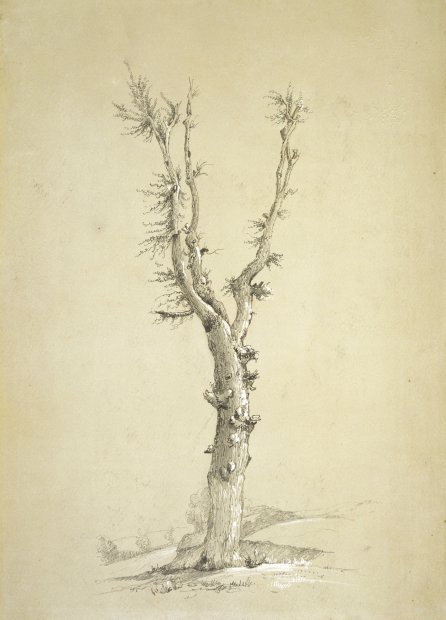
The Waterloo Elm by Anna Children (1818) Royal Collection Trust © Her Majesty Queen Elizabeth II 2015
The Waterloo Chair
One of the pieces of furniture made from wood from the elm tree was The Waterloo Chair. It was carved by Thomas Chippendale the Younger and was presented to George IV in 1821. It was on display in the King’s Drawing Room.
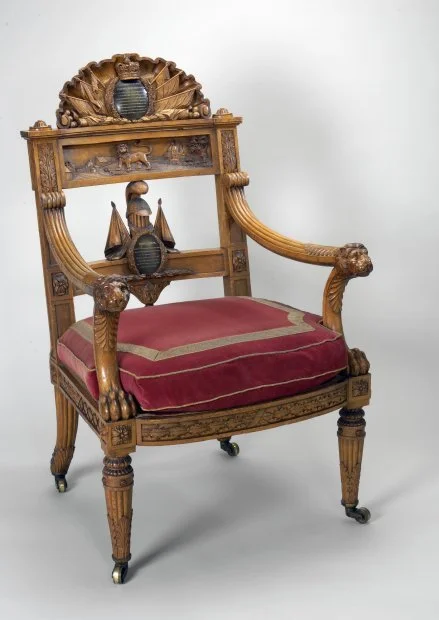
The Waterloo Chair made by Thomas Chippendale the Younger Royal Collection Trust
© Her Majesty Queen Elizabeth II 2015
The Table of the Great Commanders
Next to The Waterloo Chair was the Table of the Great Commanders. This exquisite table was made for Napoleon and given to George IV while he was Regent by the restored King of France, Louis XVIII. George liked it so much that he had it painted in the background of all his state portraits. We saw it on display at Buckingham Palace in 2014.

Tables des Grands Capitaines from the Sèvres porcelain factory - given to George, Prince Regent, by Louis XVIII of France (1806-12) Royal Collection Trust © Her Majesty Queen Elizabeth II 2014
Napoleon’s cloak
A number of Napoleon Bonaparte’s belongings were on display which were retrieved from his carriage and baggage train after they were captured. One of the most impressive of these was Napoleon’s cloak—a stunning, full-length, hooded red felt cloak lined with yellow silk—which was on display in the Grand Vestibule. Standing next to the display, you could get a feel for how tall Napoleon really was. The audio guide says he was about 5 foot 6 inches which was average for the time.

Cloak belonging to Napoleon Bonaparte taken from the Emperor's fleeing baggage train and presented to George, Prince Regent, by Field-Marshal Blucher (1797-1805) Royal Collection Trust © Her Majesty Queen Elizabeth II 2014
Across the room from Napoleon’s cloak was his old adversary, the Duke of Wellington, represented by a marble bust.
More items from Napoleon’s baggage train were on display in the Queen’s Guard Chamber, including his travelling desk set, an engraved silver-gilt tea service and a sword.

Silver-gilt teapot made by Martin Guillaume Biennais, engraved with Napoleon's coat of arms acquired by Queen Mary. Royal Collection Trust © Her Majesty Queen Elizabeth II 2015
In honour of the Duke of Wellington
In the Queen’s Guard Chamber there was a copper cast of the Duke of Wellington’s hands. There was also a second marble bust of the Duke and above this hung what is known as a rent flag. The Duke of Wellington was awarded the estate of Stratfield Saye in 1817 in thanks for his military endeavours at Waterloo. His rent to the crown each year was the presentation of a ‘rent flag’ to the crown—a tricolour flag edged in gold braid ending in two golden tassels and with the year to which it relates embroidered or printed on.
Flags from previous years hung from the ceiling in the Drawings Gallery.

The hands of the Duke of Wellington by Baron Carlo Marochetti Royal Collection Trust © Her Majesty Queen Elizabeth II 2015
The Waterloo Chamber
The Waterloo Chamber holds an impressive display of portraits of the allied sovereigns, military leaders and statesmen of the time. They were largely commissioned by George IV and painted by Sir Thomas Lawrence, but the room itself was not created until the 1830s, in the reign of William IV.
Although these paintings are always on display at Windsor, the Chamber was specially opened up for the exhibition and it was possible to walk all around the room and get a much closer look than normal.
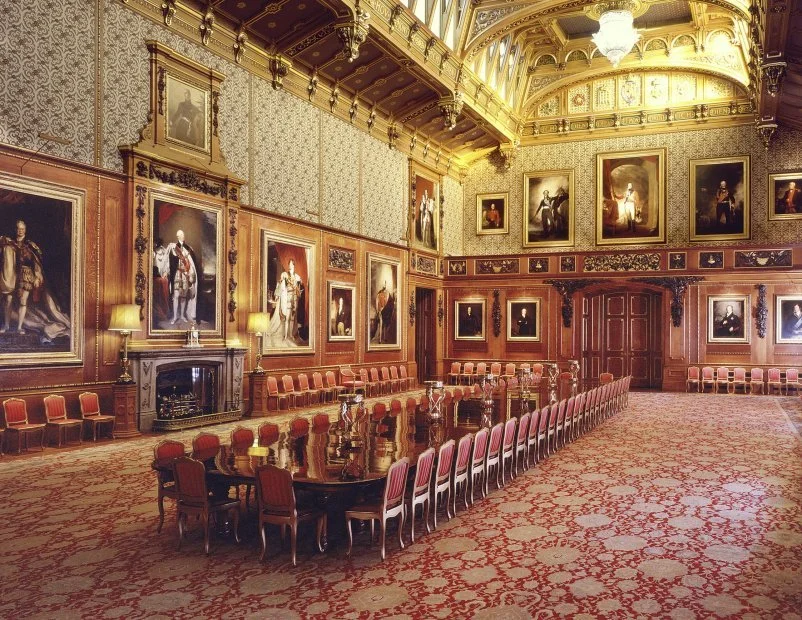
The Waterloo Chamber, Windsor Castle Photo: Mark Fiennes Royal Collection Trust © Her Majesty Queen Elizabeth II 2014

George IV by Sir Thomas Lawrence (1821) Royal Collection Trust © Her Majesty Queen Elizabeth II 2014

Arthur Wellesley, 1st Duke of Wellington, by Sir Thomas Lawrence (1814-15) Royal Collection Trust © Her Majesty Queen Elizabeth II 2014
Rachel’s thoughts on the exhibition
The Waterloo at Windsor exhibition was free with a standard entry ticket to Windsor Castle. For me, the highlights of the exhibition were Napoleon’s cloak and The Waterloo Chair, and being able to take a closer look at all the portraits in the Waterloo Chamber.
I would have liked to have seen a few more items of Waterloo memorabilia on display. The drawings were interesting, but it is the objects that really bring the subject to life.

Rachel at the Waterloo at Windsor 1815-2015 exhibition (2015)
Rachel Knowles writes faith-based Regency romance and historical non-fiction. She has been sharing her research on this blog since 2011. Rachel lives in the beautiful Georgian seaside town of Weymouth, Dorset, on the south coast of England, with her husband, Andrew, who co-writes this blog.
If you have enjoyed this blog and want to encourage us and help us to keep making our research freely available, please buy us a virtual cup of coffee by clicking the button below.
All photographs not otherwise credited © Andrew Knowles and RegencyHistory.net