Book review: Jane Austen’s Men by Helen Amy
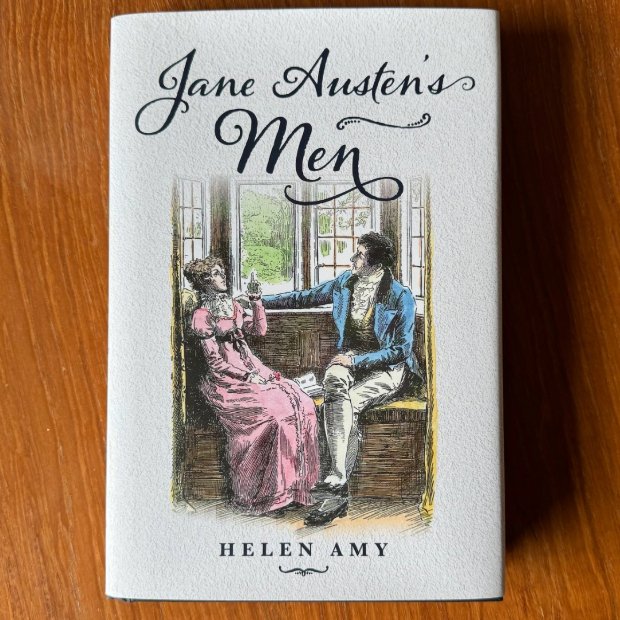
Jane Austen’s Men by Helen Amy, from Amberley Publishing
There were two distinctly different groups of men in Jane Austen’s life. Some were flesh and blood - her father, brothers, cousins and possible suitors. The others were fictional - the heroes, villains and incidental characters of her novels.
Through her book Jane Austen’s Men, Helen Amy seeks to describe the lives and characters of the most significant of them. She provides thorough descriptions, drawing on letters and memoirs and, of course, on Jane’s novels.
A key theme is that of the ‘gentleman’, the title that many Regency men aspired to. Associated with aristocracy, wealth and education, the term also became linked with personal qualities and behaviour.
Jane Austen’s men - her family
This book provides short biographies of ten real-life men in Jane’s life. They are her father, six brothers, one uncle and two nephews.
Each is given a full chapter, although that of her brother George is extremely short, as little is known of his life. He had learning difficulties of some kind, and did not live with the family.
The lives of her father and brothers are recorded in some detail, with excerpts from some of their letters.
Her uncle, James Leigh-Perrot, was a regular visitor to the Austens. He was close to his sister, Jane’s mother, and enjoyed considerable wealth through an inheritance and marriage. The Leigh-Perrots had no family of their own.
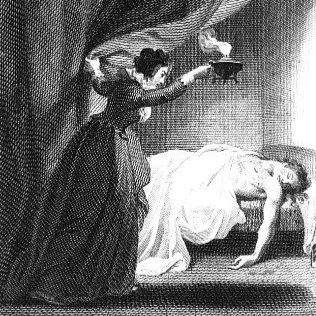
It seems that James was ruled by his domineering, complaining wife, something Jane’s keen eye for human folly would have soon picked up on. The Leigh-Perrots added further colour to their story when Jane’s aunt was accused of stealing from a shop, and imprisoned, along with her husband, as she awaited trial.
The two nephews described in the book are George Thomas Austen and James Edward Austen-Leigh. Jane was fond of both, and James wrote an early biography of his aunt, published in 1869.
Jane and marriage
There’s a perpetual debate about why Jane didn’t marry, and how close she may have come to it. Helen Amy dedicates a chapter to discussing the four men who may have taken her for a wife, starting with Tom Lefroy.
She may have enjoyed a brief flirtation with Tom, but they were not destined to enjoy a romance. It’s likely that his family thought he could do better than get involved with the daughter of a Hampshire clergyman with little income.
Samuel Blackall and Harris Bigg-Wither also get a mention. The latter proposed, and was accepted, by Jane, only for her to have a change of heart overnight. There was no love, just as there was none for Samuel.
Did Jane enjoy a seaside romance? Years after Jane’s death, her sister Cassandra alluded to the possibility. His name is unknown, and he died before it could blossom into anything more.
Jane Austen’s men - the novels
Around one-third of Helen Amy’s book is given over to summarising Jane’s novels and describing the principal male characters. For example, in Sense and Sensibility, this means John Willoughby, Edward and Robert Ferrars, and Colonel Brandon.
These descriptions of the male characters set out how they interact with others in the story. All the facts about them are taken from the book. There’s no examination of their motives, nor of how the real men in Jane’s life could have influenced the characters she gave them.
A book of factual and fictional biographies
Helen Amy has researched and written up the stories of the men closest to Jane. The family biographies cover the entire lives of their subjects, including the years after Jane’s death in 1817.
The fictional biographies are limited to the parts the characters played in Jane’s novels. I was disappointed that there was no discussion of how Jane may have envisaged these men living before they entered her books, or what became of them after.
Such discussion would be speculative, but could help broaden the conversation about what it meant to be a Regency gentleman - something she highlights in her introduction. Because of this, for me, this book felt incomplete.
That said, this book makes an excellent addition to the library of Austen fans wanting a single source of reference for the men in Jane’s life.
The book has endnotes, a bibliography, a short list of places to visit and an index.
Jane Austen’s Men by Helen Amy is published by Amberley Publishing.
Andrew Knowles researches and writes about the late Georgian and Regency period. He’s also a freelance writer and editor for business. He lives with his wife Rachel, co-author of this blog, in the Dorset seaside town of Weymouth.
If you have enjoyed this blog and want to encourage us and help us to keep making our research freely available, please buy us a virtual cup of coffee by clicking the button below.
Regency History
by Andrew & Rachel Knowles

We research and write about the late Georgian and Regency period.
Rachel also writes faith-based Regency romance with rich historical detail.